Everyday movement
Use the gap between meetings well
A clear stopping point helps you leave the screen for a moment.
Everyday movement
Give working from home a closing ritual
A short change of scene can mark the end of the working day.
Everyday movement
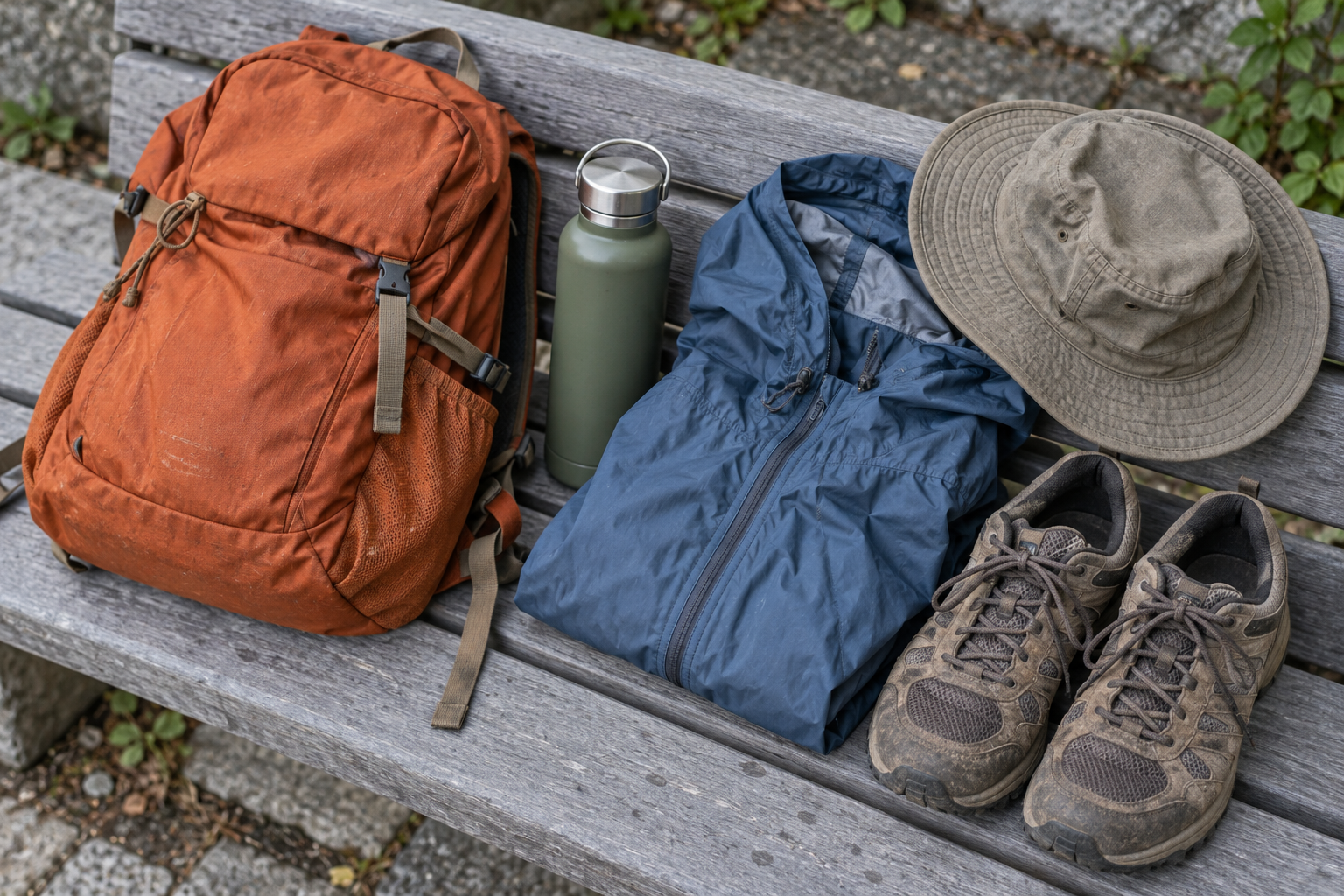
The case for keeping shoes by the door
Make the useful thing easy to reach without turning the hallway into storage.
Everyday movement
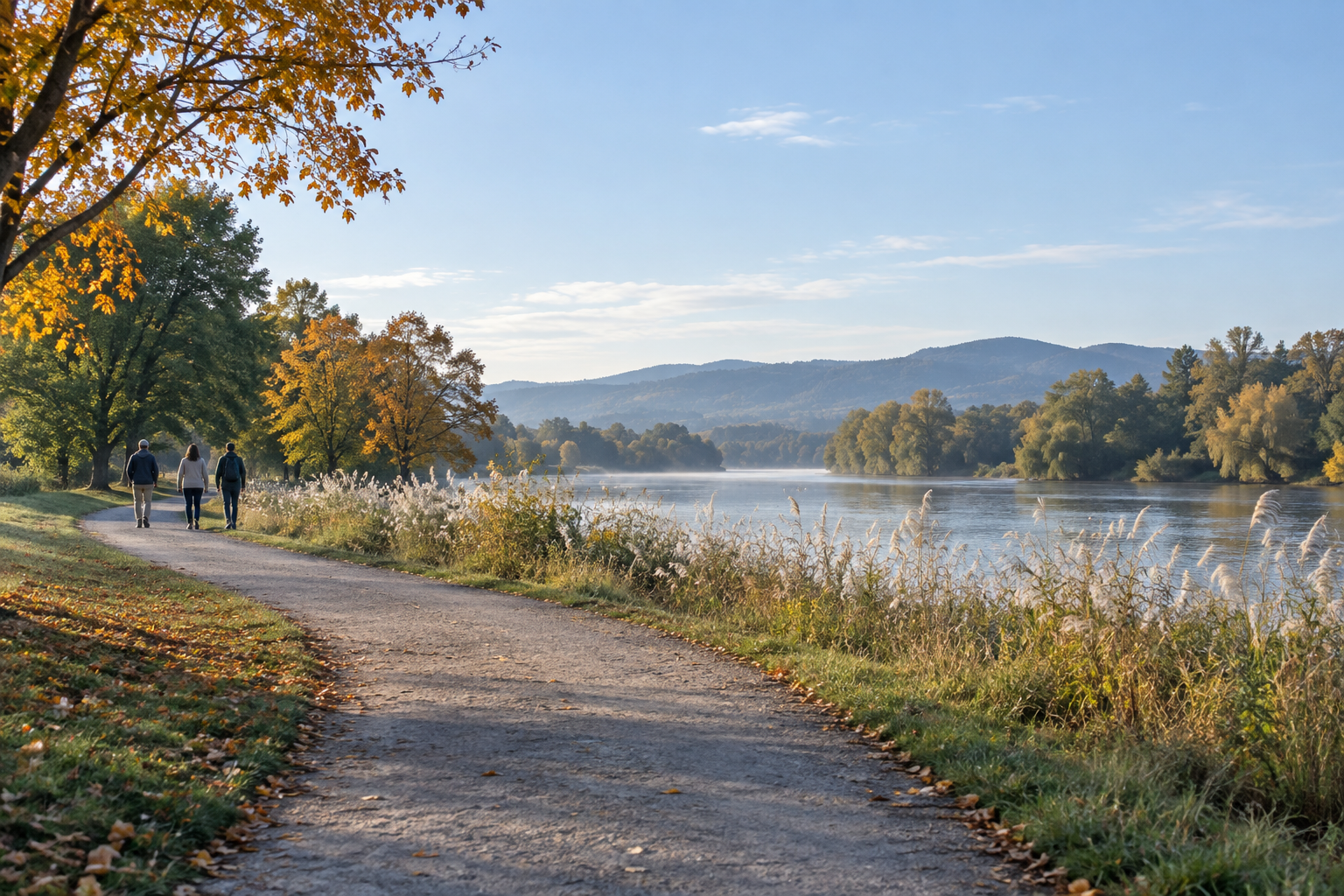
Take a conversation outside
Some catch-ups work well on a walk, provided both people want one.
Everyday movement
A little movement on a long travel day
Use genuine opportunities to change position without complicating the journey.
Everyday movement
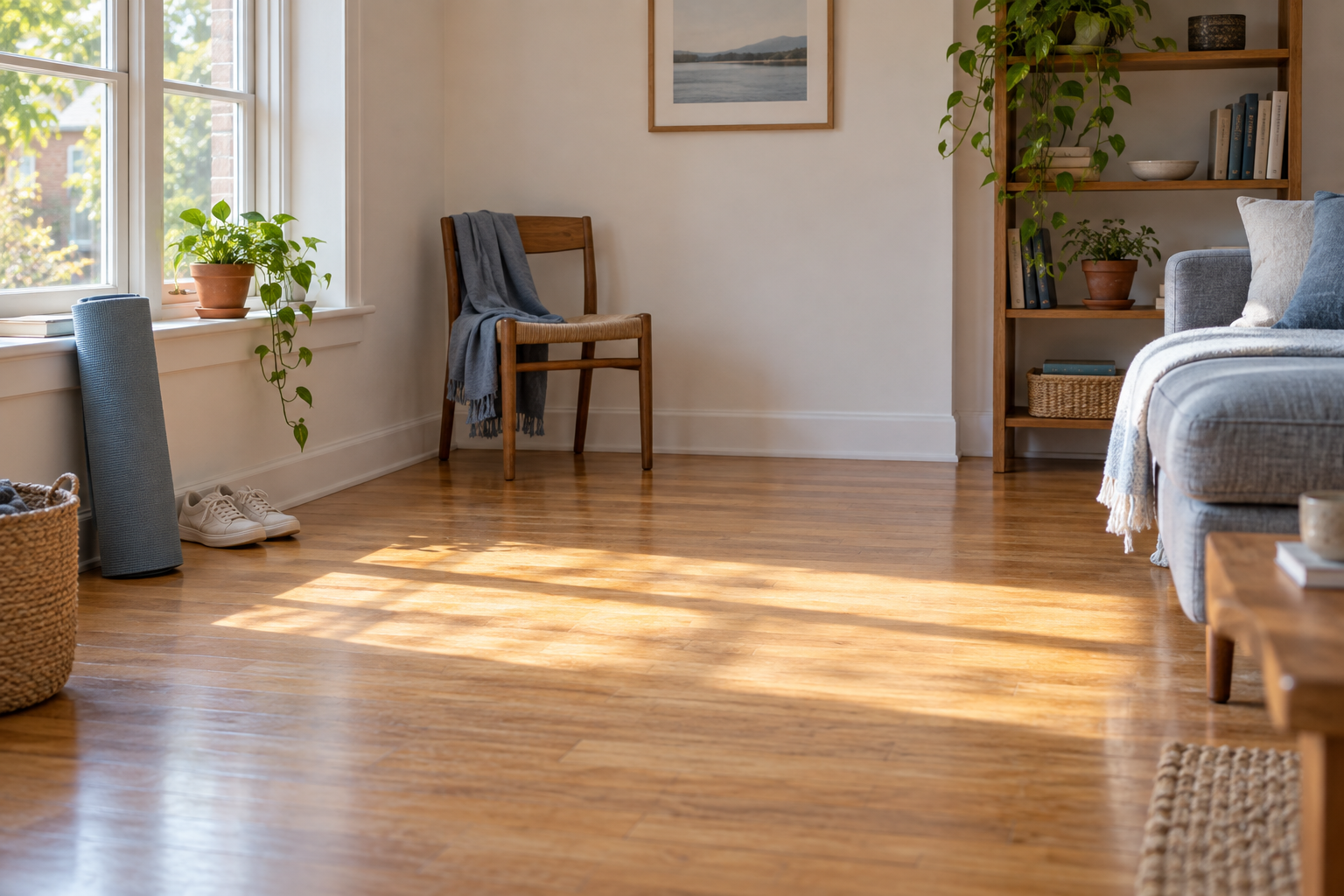
Clear a corner before planning a home session
The room needs to work before the routine does.
Everyday movement
A one-song change of scene
Use music as a gentle cue to step away from a stuck afternoon.
Everyday movement
A break that does not become another screen
Decide what your hands will do before automatically opening an app.
Everyday movement
Consider the last stop, not the whole commute
A small walking section may fit better than rebuilding the journey.
Everyday movement
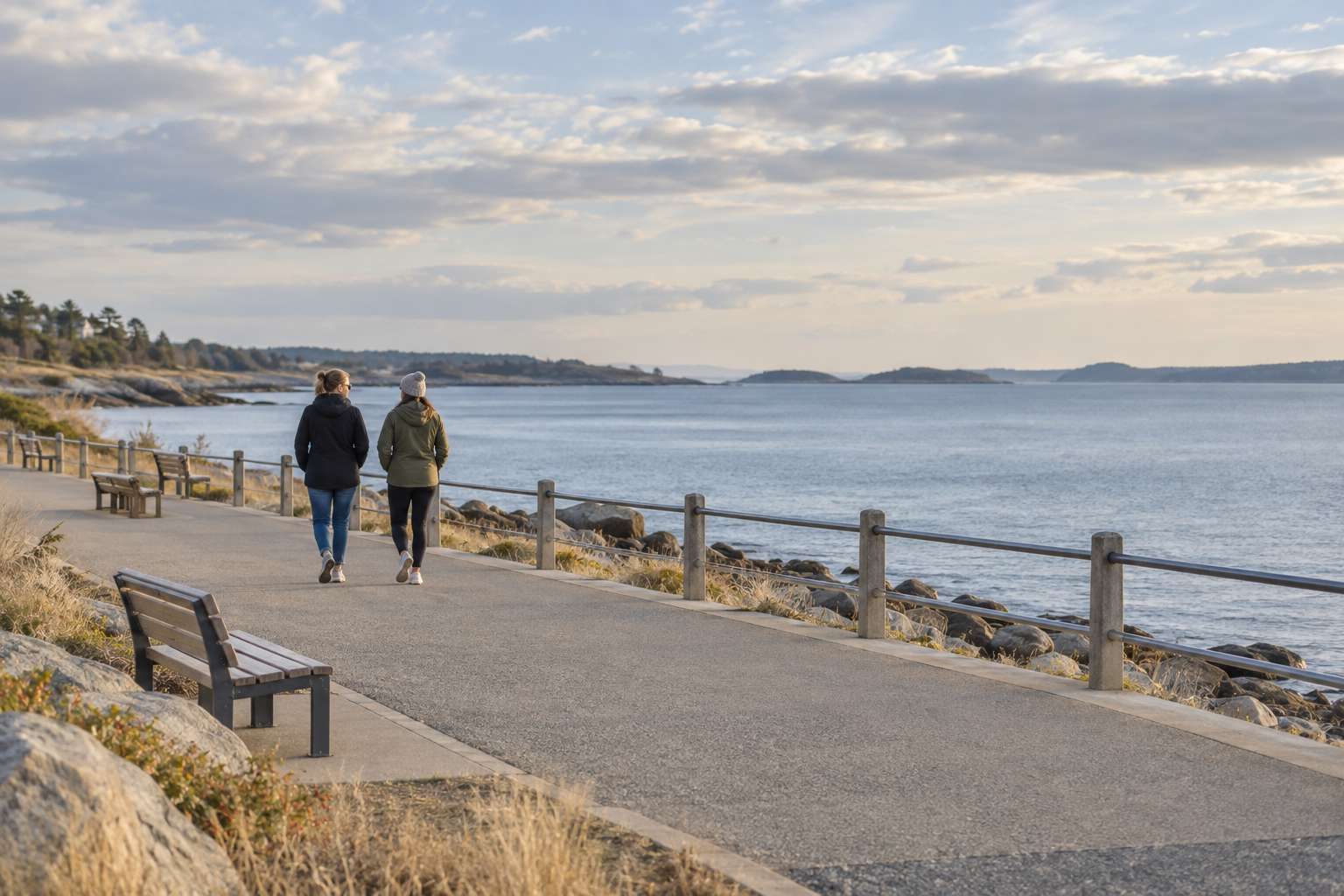
Make an active invitation specific
“A short paved loop on Saturday” is easier to answer than “We should do something.”
Everyday movement
Make the stairs a choice
Convenience, access and comfort matter more than a rule about lifts.
Everyday movement
Choose the meeting point before the route
The first few minutes can determine whether a group outing starts comfortably.
Everyday movement
Give household jobs a comfortable rhythm
Ordinary chores involve movement, but they still need sensible pacing.
Everyday movement
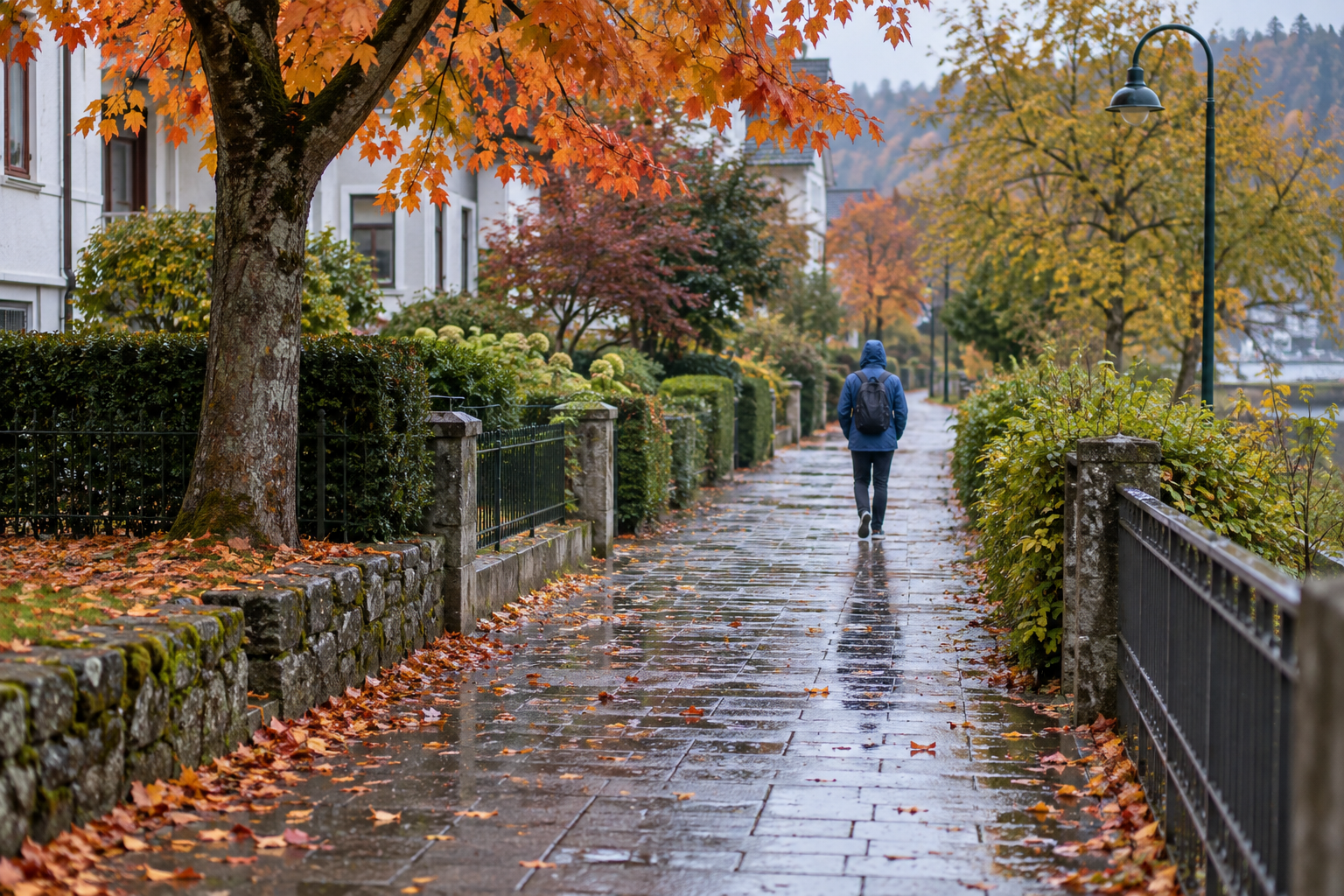
Add a park stop to a journey you already make
A brief pause can change the feel of a familiar trip.
Everyday movement
Keep some room in an active evening
An outing does not need to fill every available hour.
Everyday movement
A change of room can be enough to start
Use the smallest available transition when the day feels stuck.
Everyday movement
Park for a workable pedestrian route
The walking route matters more than choosing the most distant space.
Everyday movement
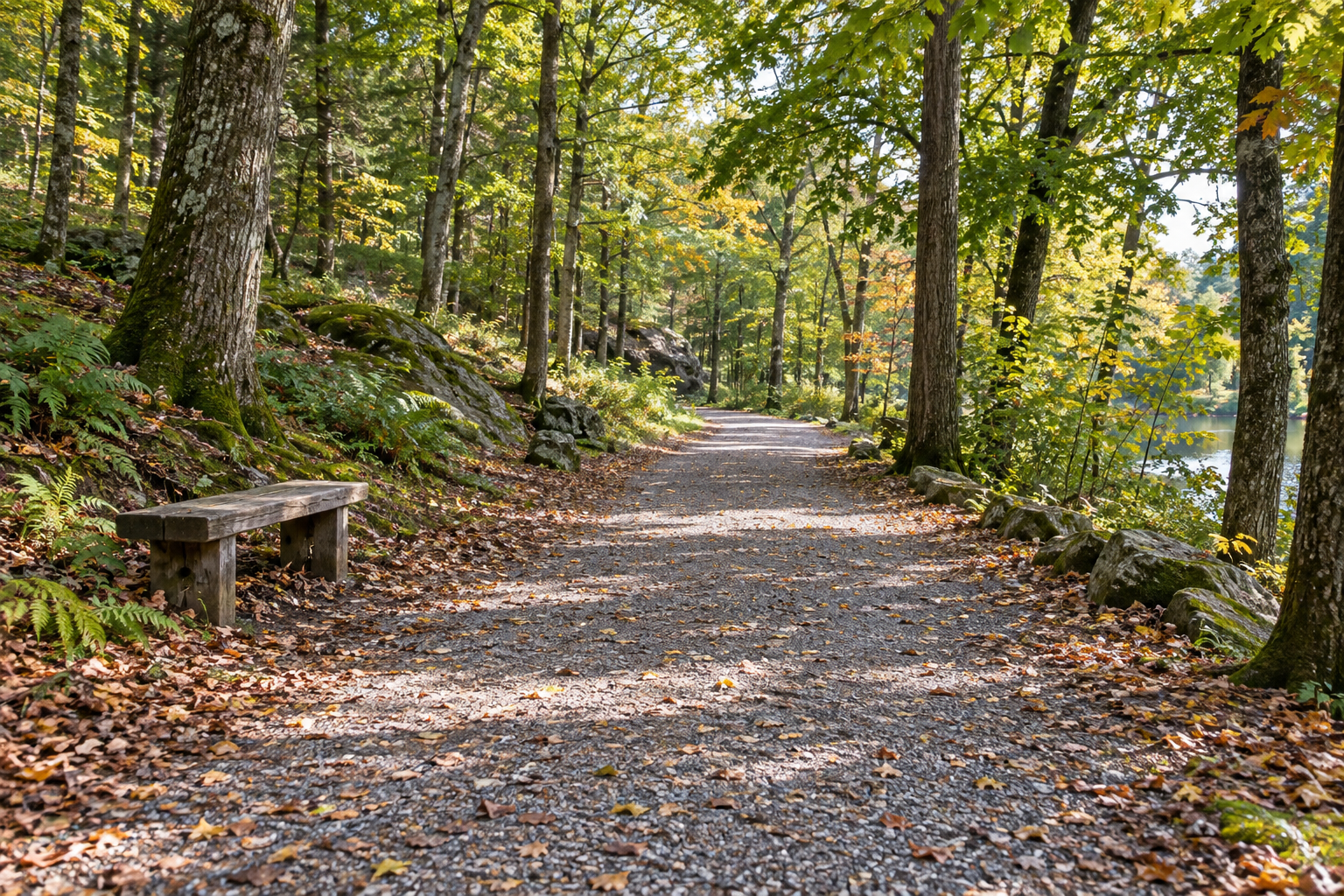
Plan the outing together
Ask about preferences instead of making assumptions about age.
Everyday movement
Protect the part of lunch that is a break
A walk should fit around eating and resting, not replace them.
Everyday movement
Find an outing that starts without a purchase
A good afternoon need not begin with a booking or a shopping basket.
Everyday movement
Put a pause between chapters
A natural stopping point can make a long quiet afternoon less static.
Everyday movement
Make the morning exit easier
Prepare the ordinary details before adding a walk to the day.
Everyday movement
Leave a little space before an after-dinner outing
Keep the plan comfortable, local and easy to change.
Walk & wander
Choose the first turn before you leave
A smaller decision at the front door makes an ordinary walk easier to begin.
Walk & wander
A lunch-break loop with room to spare
Build the return into the plan before spending your whole break getting somewhere.
Walk & wander
Let one small errand set the route
A letter to post or a library return can give a walk a useful shape.
Walk & wander
Plan a route around a good bench
Rest stops are useful route information, not an afterthought.
Walk & wander
Take a camera, leave the shot list
An ordinary walk can become more attentive without becoming a photography project.
Walk & wander
Try the familiar loop in reverse
A small change of direction can make an old route feel less automatic.
Walk & wander
The quiet-street detour
Compare the quality of the route, not just the distance on the map.
Walk & wander
A walk that ends at the station
A fixed departure time calls for a forgiving route and a generous margin.
Walk & wander
Notice one seasonal change on your usual walk
The same path can offer something new without a new destination.
Walk & wander
Leave the headphones in your pocket
Try listening to the route before choosing a soundtrack.
Walk & wander
Give your favorite walk a shorter version
A route with an early return is easier to keep in your week.
Walk & wander
Walking after rain: look at the surface
A familiar route can change underfoot when the weather changes.
Walk & wander
Agree on the walk before agreeing on the café
A little clarity makes a social walk easier for everyone.
Walk & wander
What to check before a waterfront walk
A flat-looking promenade still has practical details worth checking.
Walk & wander
How to look for a genuinely level route
“Easy” is a label; surface and slope are information.
Walk & wander
The first walk in a new neighborhood
Start with a simple circuit that helps you understand the area.
Walk & wander
Build a walk around the library
A familiar public destination can anchor an unhurried outing.
Walk & wander
Find breathing room in a busy park
Change the timing or the route before giving up on a favorite place.
Walk & wander
Dusk changes the route
Plan the return for the light you will have, not the light you have now.
Walk & wander
Take a walk without checking a number
An outing can have a clear purpose without a step total.
Walk & wander
Make a tiny map of walks you actually use
Three reliable routes can be more useful than a folder full of saved trails.
Walk & wander
Let the view be a proper stop
You do not have to keep moving through the best part of the route.
Walk & wander
When your regular route stops working
Construction, traffic and changing routines are good reasons to redraw the map.
Weekend plans
Your first local trail does not need a summit
Start with clear information, a modest route and an easy way home.
Weekend plans
Give a half-day outing one main destination
Leave the second attraction for another day.
Weekend plans
Read the awkward words in a trail description
“Short” and “scenic” may be less useful than “steps” and “loose surface.”
Weekend plans
Pack for the place, not the photograph
A compact day bag still needs to match the conditions.
Weekend plans
Set a turnaround time before the interesting part
Make the decision while the destination still feels optional.
Weekend plans
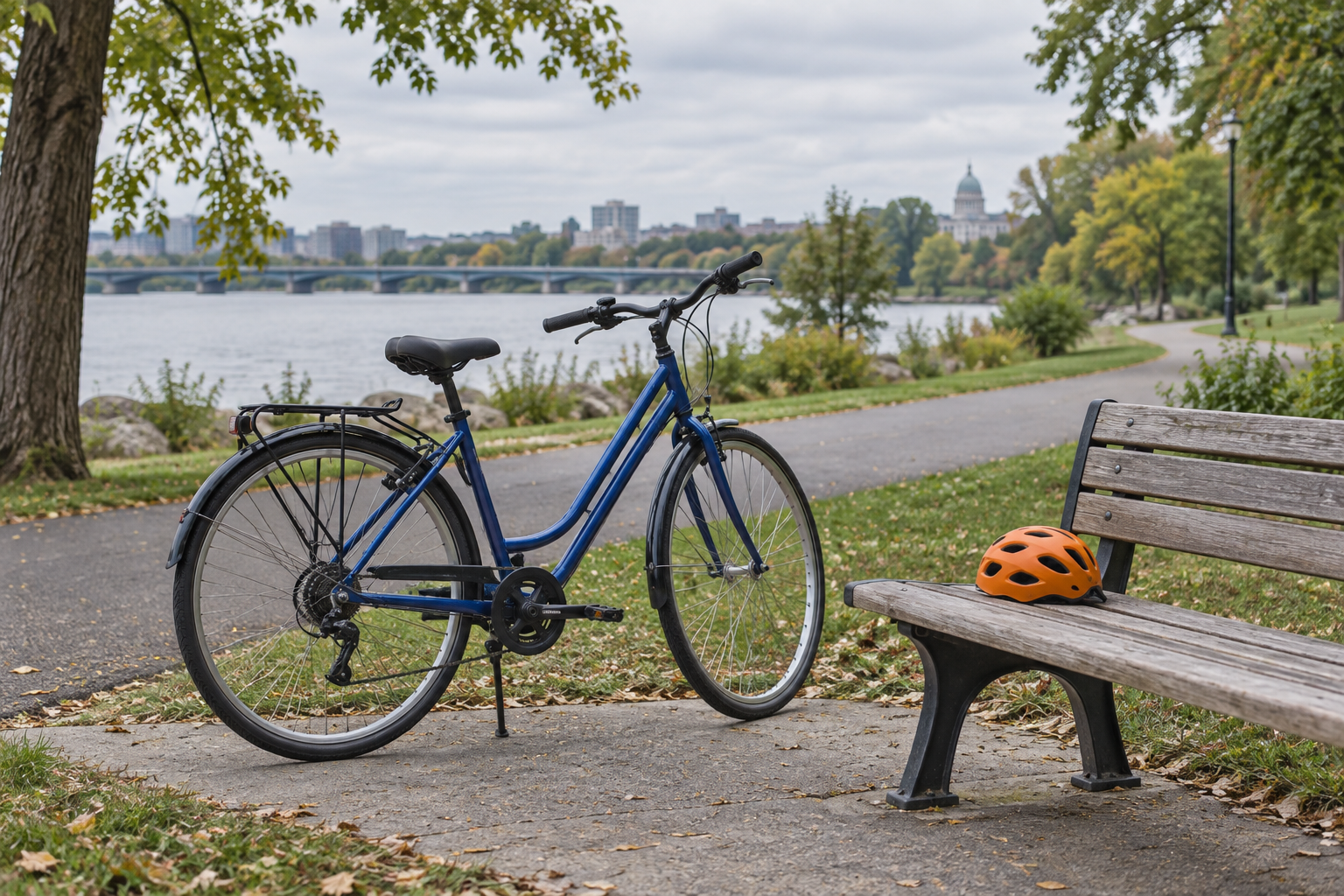
Plan a first casual bike outing around the route
Choose the riding environment before choosing the café at the far end.
Weekend plans
Plan the picnic from the return journey backward
What you carry home matters as much as what you spread on the blanket.
Weekend plans
A car-free outing starts with the return timetable
The outward connection is only half the plan.
Weekend plans
Share the path without making it awkward
Predictable movement and a little space go a long way.
Weekend plans
Check the weather for the destination
The forecast outside your front door may not describe the place you are going.
Weekend plans
Stop at the visitor center first
Current local information can be more useful than another saved route.
Weekend plans
Choose a nature reserve for the paths as well as the wildlife
A good visit begins with access information and realistic expectations.
Weekend plans
When smoke changes the weekend plan
Check air quality before assuming a clear-looking route is a good option.
Weekend plans
Make the return part of the outing
Leave a little energy and attention for getting home.
Weekend plans
Try the nearby place you keep overlooking
Familiarity can hide a perfectly good weekend destination.
Weekend plans
Keep a small group outing genuinely small
Agree on the practical details before the group chat grows another plan.
Weekend plans
Leave the place ready for the next visitor
Small decisions on an ordinary outing matter too.
Weekend plans
Make the first ride together a route discussion
“Easy ride” needs a little translation before you set off.
Weekend plans
Prepare for a place with patchy reception
A phone is useful, but a connection is not something to assume.
Weekend plans
Keep one useful note from the outing
Remember the practical detail you will otherwise forget.
First steps
Start with the thing you can repeat
The most useful beginning often looks fairly ordinary.
First steps
Questions worth asking before your first class
A short conversation with the organizer can remove a surprising amount of uncertainty.
First steps
Look past the word beginner
The pace, setting and teaching style matter as much as the label.
First steps
Learn the room before joining the session
A visit without a workout can make the next visit less mysterious.
First steps
Choose company or solitude on purpose
Different activities may call for different kinds of company.
First steps
Choose a route you can explain simply
Clear navigation leaves more attention for the outing itself.
First steps
Dress for the activity you are actually trying
Ask about practical requirements before shopping for a new look.
First steps
You can begin without choosing an event
A date on a calendar is one option, not an entry requirement.
First steps
Budget for the whole activity
The advertised price may be only one part of the commitment.
First steps
Treat the first visit as information
You are allowed to leave with an opinion instead of a commitment.
First steps
Choose a goal you can recognize
Make the first aim concrete enough to use in an ordinary week.
First steps
Practice ending while the plan still feels comfortable
You do not need to add more simply because the first part went well.
First steps
Find your own version of active
An ordinary routine does not need to resemble a sports advertisement.
Useful gear
What earns a place in a small day bag
Pack for the outing, then make the useful things easy to find.
Useful gear
Choose shoes for the route underfoot
Think about surface and fit before color or category names.
Useful gear
The rain layer question
Check what a jacket is designed to do before trusting it in the forecast.
Useful gear
Try the bag with the load inside
An empty bag tells you very little about an ordinary outing.
Useful gear
Let damp shoes dry before the next outing
A little care at the door saves an unpleasant surprise tomorrow.
Useful gear
Borrow before buying, when borrowing makes sense
A trial can answer practical questions that a product page cannot.
Useful gear
When the bicycle has been standing for a while
A quiet season in storage is a reason to check the bike before riding.
Useful gear
A pocket is useful only if it keeps the item there
Small details matter when you are moving rather than standing in a fitting room.
Useful gear
Keep a repair list instead of a replacement wish list
Notice the specific fault before deciding the whole item is finished.
Useful gear
Remember the exposed part of the route
Plan for sunlight even when the starting point is shaded.
Useful gear
Unpack before the bag becomes storage
The next outing gets easier when the last one is properly finished.
Useful gear
Buy for the next real outing
A specific need is a better shopping brief than a future imagined hobby.
Keep going
Keep a note, not a score
A few useful observations can tell you more than a perfect streak.
Keep going
Change the cue when the reminder stops working
A reminder you no longer notice is just part of the wallpaper.
Keep going
Save the good detail for next time
Remember what made an outing enjoyable, not just that it happened.
Keep going
Let the activity change when your interest does
A routine can evolve without making the previous one a mistake.
No notes found this time.
Try a shorter phrase, another subject, or reset the search.